Less scenery to read.
Nowhere to hide a bad input.
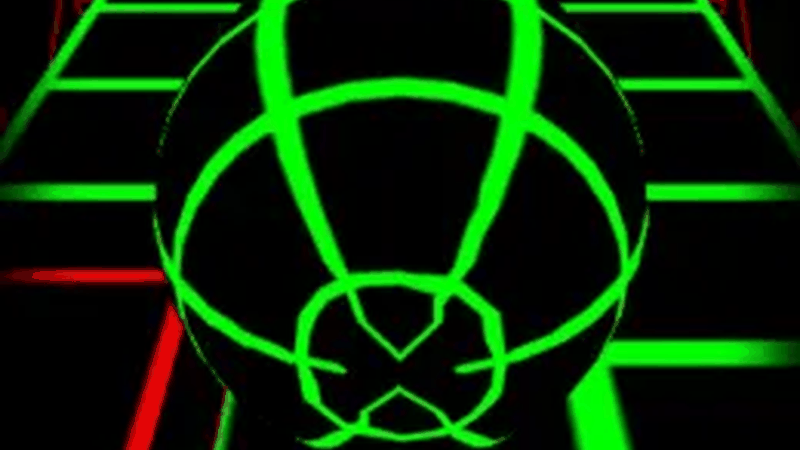
Classic Slope has a wonderfully blunt setup. A ball, a green course, red hazards and an open drop on either side. There is no complicated control scheme to learn before the first mistake. You steer, the ball keeps rolling, and the track asks for another decision.
The green track makes the playable surface easy to distinguish from red hazards and open space. Watch where each platform ends before you steer around a block. A clear path beside the block is useful only if it also leads onto the next platform.
If the ball rolls off just after a successful dodge, check whether you kept holding the direction key. On the next run, release after clearing the red block and look ahead before making another correction.
Make each correction earn its place
Slope controls
| Move left | ← or A |
|---|---|
| Move right | → or D |
| Forward travel | Automatic |
Click the game before using the keys. The on-screen menu handles starting a new attempt after a fall.
Start with the width you have
On a narrow piece of track, a familiar key press may be too much. Judge the available surface before deciding how far to move.
End the dodge
Once the hazard is clear, stop adding input. A second movement should solve a new problem, rather than finish the first one twice.
Look for the next constraint
The next wall, corner or landing edge matters more than a block you have already passed. Move your attention forward with the run.
Choose your next game
| You want to focus on… | Try | What to pay attention to |
|---|---|---|
| Simple visual cues | Classic Slope | Green surface, red hazards, open edges |
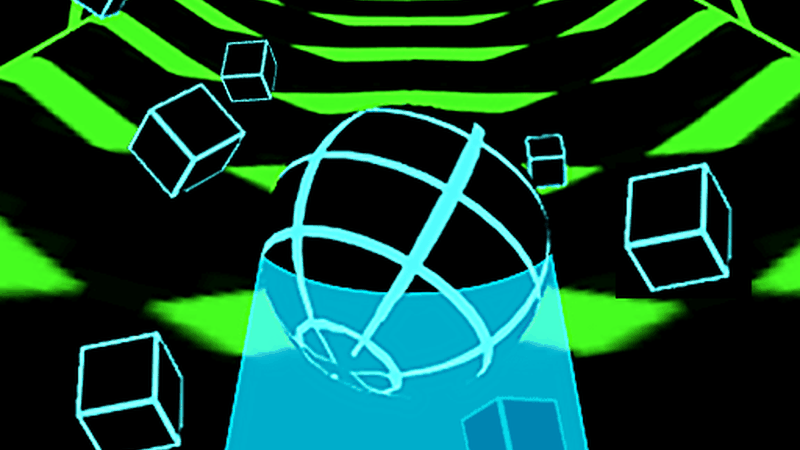
| A cyan neon course | Slope 3 | The next platform and your approach line |
| A different ball-runner feel | Slope 2 | Relearn input timing before chasing a score |
| Openings in tunnel barriers | Tunnel Rush | The opening in each approaching barrier |
A useful short session: notice whether you tend to miss left or right, then make the next attempt about stopping that same overcorrection. Keep the observation small enough to remember while playing.
Before your next run
Is this the same game as Slope 3?
No. This player is for classic Slope, with its recognizable green track. Slope 3 has its own player on the homepage. Use the title and the opening game screen to keep the two experiences separate.
Do I need a jump button in Slope?
No. The ball moves forward by itself and you steer left or right. A ramp may carry it across a gap, but pressing a jump key is not part of the basic controls.
What should I practise first?
Try finishing each dodge with room still available on both sides. When a run ends, decide whether the problem began with the first turn or the extra correction after it.
Will fullscreen make the game slower?
Fullscreen changes the viewing area, not the game rules. Performance depends on the browser, graphics settings and device. If a larger view feels less smooth, return to the normal player size.
More Similar Games
Three different ways to test the same quick reactions.